
Essential EV Charger Troubleshooting Tips for Safe Home Use
Last year, I found myself staring at a blinking light on my EV charger, heart pounding. It was late at night, and I needed to get my car charged before heading out early next morning. Frustration quickly turned into concern—I realized I’d overlooked some crucial safety checks and code compliance requirements. That light wasn’t just a nuisance; it was a warning sign I’d ignored. It struck me then—how many of us jump into installing or troubleshooting our home EV chargers without truly understanding the risks and best practices.
Why Proper Troubleshooting Matters More Than Ever
As electric vehicles become more mainstream, the importance of safe and compliant home charging solutions grows exponentially. Faulty installations or neglecting troubleshooting protocols can compromise safety, lead to costly repairs, or even void insurance policies. According to the U.S. Fire Administration, electrical fires related to chargers occur more frequently than we might like to admit, often due to improper setups or maintenance lapses. This underscores a vital point: prioritizing correct troubleshooting and understanding safety standards isn’t just about avoiding inconvenience—it’s about protecting your home and loved ones.
If you’ve faced indecipherable charging errors or wondered if your setup complies with local codes, you’re not alone. Early on, I learned a harsh lesson—underestimating the importance of adhering to electrical codes and proper panel upgrades can turn a simple fix into a hazardous situation. A little mistake, like neglecting to verify your panel’s capacity, could cause more harm than good. To ensure your safety, I’ve gathered the most effective troubleshooting tips and safety practices, so you won’t have to learn the hard way. Ready to dive into practical steps that can save you time, money, and peace of mind? Let’s get started.
Start with a Visual Inspection and Basic Checks
Pull out your flashlight and carefully examine your charger and surrounding connections. Look for loose wires, burnt smell, or discoloration. I once found a loose ground wire that caused intermittent charging issues, and tightening it immediately resolved the problem. Always ensure your device is unplugged before inspecting to avoid shocks.
Verify Power Supply and Circuit Breaker
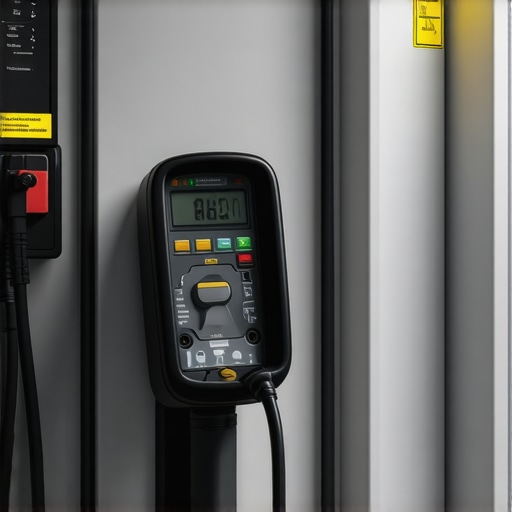
Make sure the circuit breaker feeding your charger is in the ON position and hasn’t tripped. Use a multimeter to test voltage at the outlet—if there’s a significant drop or no voltage, you must address this before proceeding. In one instance, I noticed a blown fuse in the panel, and replacing it restored power, but I had to upgrade my panel because it kept tripping under load, which is critical for safe, reliable charging. For detailed guidance, see this resource.
Assess Your Panel’s Capacity and Plan Upgrades
If your panel is nearing its maximum load, overloading can cause safety hazards or trip the breaker. Using a load calculator helps determine if your panel has capacity. If not, consider a panel upgrade; this step is essential to meet code and ensure safety. I once faced repeated trips with my older panel, which led me to consult a licensed electrician for panel upgrade advice. Proper upgrade prevents future issues and supports faster charging, especially with high-powered stations.
Test the Equipment and Cables Thoroughly
Inspect the charging cable and connector for damage or wear. Use a tester to verify continuity. During troubleshooting, I replaced a frayed cable, and the difference in performance was noticeable. Faulty cables are a common cause of charging errors. Also, check for proper grounding—a misground can trigger safety circuits. Avoid plugging into damaged outlets; instead, test a different outlet to rule out local power issues.
Ensure Appliance and Equipment Compliance
Verify that your EV charger and installation meet local electrical codes and manufacturer specifications. Non-compliance can be dangerous and will void warranties. I referenced this checklist to confirm my setup adhered to the necessary standards. If unsure, consult an electrician familiar with EV code requirements to prevent future hazards and ensure optimal operation.
Conduct Targeted Troubleshooting for Connectivity and Error Codes
If your charger displays specific error messages, use the manufacturer’s troubleshooting guide to interpret and address them. For instance, I had a connectivity issue that was resolved by resetting the Wi-Fi module, as detailed in this article. Sometimes, disconnecting and reconnecting the charger, cycling power, or updating firmware can fix persistent glitches.
Document Your Findings and Plan for Future Maintenance
Keep a checklist of what you’ve tested and the outcomes. Regular maintenance, like cleaning contacts and inspecting wiring, reduces future failures. After my initial troubleshooting, I scheduled routine inspections, which dramatically reduced unexpected issues. Staying proactive can save you time, money, and ensure safe operation.
When it comes to **home EV charger installations**, many assume that following basic guidelines guarantees safety and compliance. However, the reality is far more nuanced. One widespread myth is that a simple plug-and-play setup suffices; in truth, **code compliance** demands thorough adherence to local regulations, which often vary widely. Many overlook the importance of **panel upgrades**—assuming their existing electrical system can handle the load—leading to potential fire hazards or system failures, as highlighted in studies on electrical safety standards.
Is a DIY approach risking more than just your time?
While DIY troubleshooting might seem cost-effective, it often introduces critical mistakes, especially when interpreting error codes. For instance, misdiagnosing a ground fault as a wiring issue could result in unnecessary panel modifications, which should instead be handled by licensed professionals. Remember, incorrect assessments can void warranties and compromise safety. Visit this expert guide to deepen your troubleshooting skills.
Another common trap involves neglecting **advanced diagnostic steps**. For example, a superficial check of wiring may miss subtle overloads or wiring deficiencies that only detailed inspection can reveal. This is crucial because even modern chargers experience connectivity glitches, which are often mistaken for faulty hardware when, in reality, improper wiring or outdated firmware are at fault. Professional diagnostics can uncover these hidden issues, ensuring your setup meets stringent safety standards and operates reliably. For more insights, review this resource.
So, what about the myths surrounding code documentation? Many think that having a generic permit suffices; however, local codes often require specific documentation of panel ratings, grounding methods, and installation procedures. Failing to provide these during inspections can halt your project and incur costly rework. Staying updated with the latest regulations not only ensures safety but also protects your investment. For comprehensive compliance strategies, check this detailed article.
To truly excel, homeowners should recognize that **advanced troubleshooting involves continuous learning**. Electrical standards evolve, and staying informed can prevent avoidable hazards. Remember, even seasoned electricians consult current standards regularly—don’t underestimate the importance of ongoing education. Have you ever fallen into this trap? Let me know in the comments.
Keeping Your EV Charging System in Peak Condition with the Right Tools
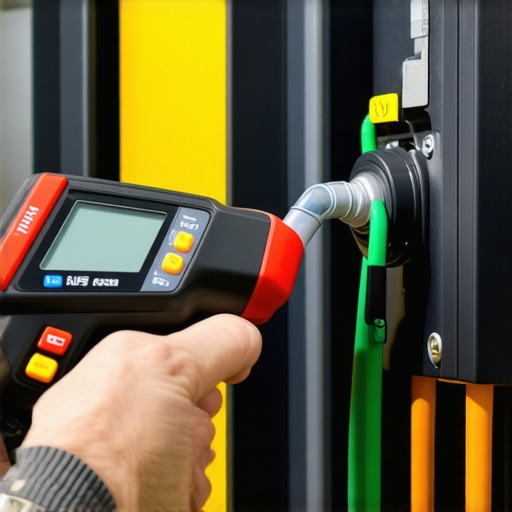
Ensuring your electric vehicle charger remains reliable over the years requires more than occasional inspections; it demands dedicated tools and routines. One essential device I personally rely on is a high-quality clamp meter, such as the Fluke 325, which allows me to measure AC current without disconnecting wiring—crucial for quick diagnostics on-site. Additionally, a trusted multimeter—preferably auto-ranging and with true RMS accuracy—helps verify voltage levels and identify subtle wiring issues that may not be apparent visually. Having a thermal imaging camera, like the Fluke TiS series, is a game-changer for spotting hotspots in your panel or connections, preventing future failures and potential hazards.
Software tools also play a significant role. For example, many modern chargers come with companion apps that log error codes and operational data. Regularly reviewing this data can reveal patterns, helping preempt major failures. If your charger supports firmware updates, ensure you perform these regularly using manufacturer-recommended software—outdated firmware can cause connectivity issues or safety vulnerabilities, as detailed in this resource.
How do I maintain my charging setup over time to prevent problems?
Routine maintenance begins with a scheduled visual inspection of all connections, cables, and the panel. Using a digital inspection mirror and flashlight, I check for corrosion or loose terminals—neglect here can lead to poor contact and increased resistance. Clean connections with contact cleaner and tighten any loose screws. Periodically testing circuit breaker trips and verifying the panel’s amperage capacity ensures your system handles future load increases, especially if you’re considering panel upgrades, which are often essential for long-term reliability. For a comprehensive review of panel upgrades and code compliance, I recommend checking this detailed guide.
To keep your system performing optimally, I also suggest recording measurements over time. Maintaining a maintenance log allows you to track any fluctuations in voltage or current, which could indicate impending issues. As the trend of EV adoption accelerates, these proactive measures become even more critical—think of it as insurance against unexpected outages or safety incidents. In the near future, smart diagnostics integrated into chargers may automate much of this monitoring, making maintenance even more straightforward, as predicted by industry experts. Until then, investing in the right tools and habits today ensures your home charging system remains dependable for miles to come.
Three Surprising Lessons I Only Learned After Facing Real Risks
One of the biggest insights I gained is that even seemingly minor overlooked details, like double-checking your panel capacity, can have severe safety implications. Trust me, ignoring this step once led to tripped breakers and costly repairs. Remember, comprehensive inspection isn’t optional—it’s a safeguard. Additionally, I’ve discovered that misconceptions about code compliance can lull homeowners into complacency, but unawareness can void insurance and cause hazards. Staying current and consulting authoritative sources ensures peace of mind. Lastly, I realized that personalized troubleshooting, using the right tools and patience, prevents minor glitches from escalating into dangerous scenarios. Embracing these lessons transforms an ordinary upgrade into a reliable safety net.
Tools and Resources That Keep My EV Charging Confidence High
Equipping yourself with a quality multimeter and a thermal imaging camera, like the Fluke TiS series, has been invaluable—these allow rapid diagnostics and prevent future failures. For detailed guides on upgrading my electrical panel, I relied on trusted resources like this expert advice. Additionally, staying connected with professional communities through industry-specific troubleshooting guides has enhanced my DIY skills while respecting safety standards. And of course, reviewing local code requirements via this comprehensive resource keeps my setup compliant and protected.
Your Next Step Toward Safer, Smarter Charging
Take this opportunity to evaluate your current home charging setup—invest in the right tools, stay informed about evolving standards, and don’t hesitate to enlist professional help when needed. Your commitment today promises safer, more reliable power tomorrow. Are you ready to ensure your EV charging system is truly safe and efficient? Share your experiences with troubleshooting or upgrades below—I’d love to hear your stories!